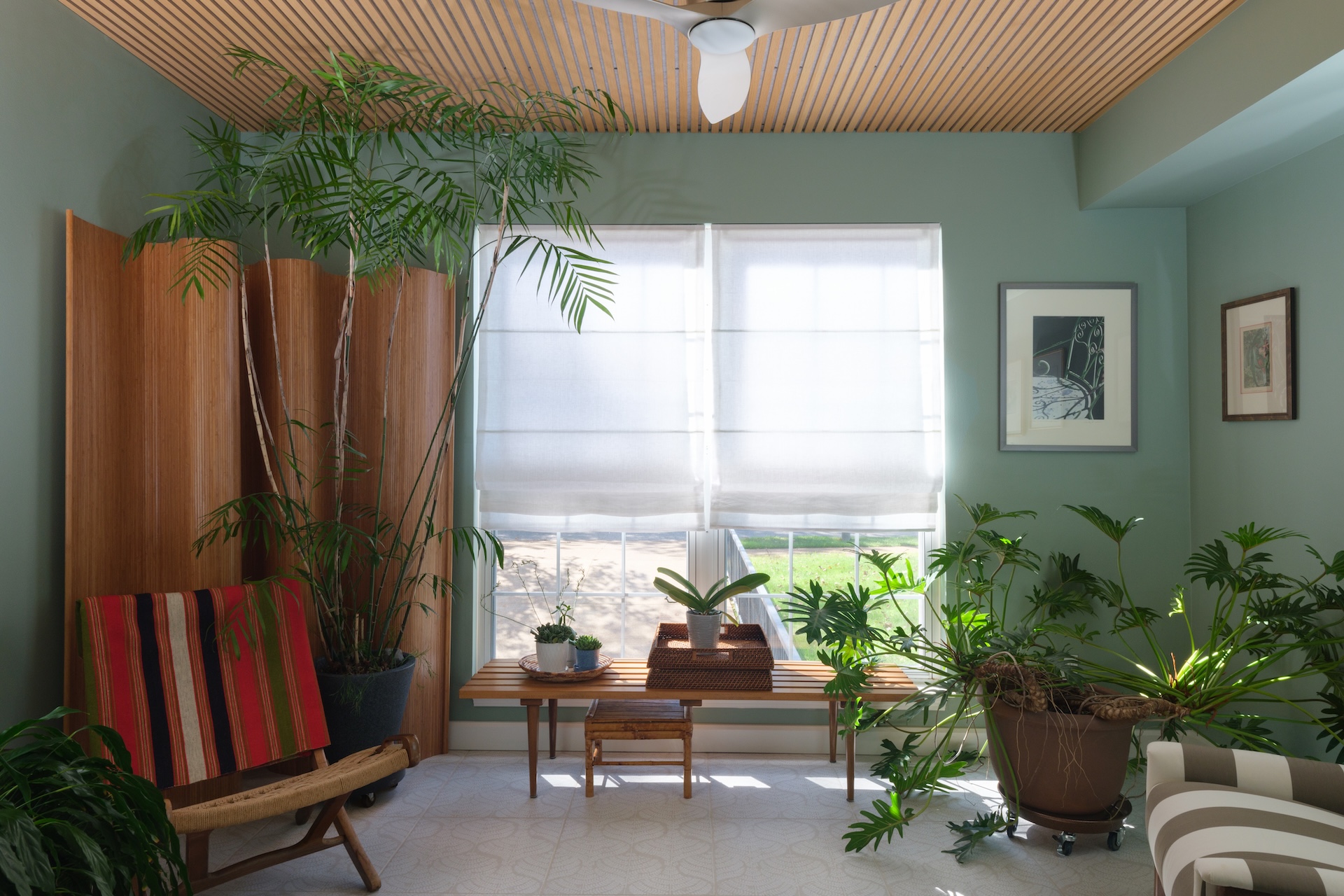
How to Incorporate Biophilic Design
Homes today are designed for how people live, work, and recharge. As more time is spent indoors, there’s a growing focus on creating spaces that feel connected to the outdoors. Biophilic design answers that need, using natural elements to shape environments that feel more comfortable and in tune with their surroundings.
What Is Biophilic Design?
Biophilic design incorporates natural elements or recreates aspects of the outdoor environment within the home. The goal goes beyond aesthetics, shaping spaces that feel connected to nature while supporting comfort and overall well-being. This connection between biophilic design and mental health has become a growing focus as more people seek ways to create spaces that feel balanced and restorative.
5 Ways to Add Biophilic Design to Your Home
Creating a stronger connection to the outdoors can take shape in a variety of ways. These ideas show how thoughtful design choices can shape a space's look and feel.
#1. Layer in Greenery
Live plants are one of the simplest ways to introduce biophilic design. A low-maintenance plant on a desk or a set of herbs on a kitchen windowsill introduces greenery without requiring much upkeep. You can also take your plant collection up a notch by lining a staircase with greenery or placing leafy varieties in corners. For a more dramatic effect, you can dedicate an entire wall to your favorite plants by using wall planters or shelves.
#2. Bring the Outdoors Into View
When a home overlooks trees, green space, or water, the design should make the most of it. Large picture windows provide a clear, uninterrupted view, turning the outdoors into wall art. Skylights in a bathroom, hallway, or kitchen introduce additional natural light while opening up views of the sky. In smaller rooms, a mirror can reflect light and create a more open feel.
#3. Create a Seamless Indoor-Outdoor Flow
A seamless flow between indoor and outdoor living areas enhances biophilic design. A balcony off the bedroom creates a quiet place to start the day. In the kitchen, sliding doors that open onto a deck make it easier to move between cooking and outdoor dining, perfect for entertaining.
#4. Add Pattern Inspired by Nature
Natural patterns can add depth without overwhelming a space. Geometric forms, foliage-inspired designs, and textures that reflect rock formations bring visual interest while keeping the design grounded. Think botanical wallpaper, patterned tile in a kitchen or bathroom, or rugs and pillows with nature-inspired designs.
#5. Use Natural Materials
Biophilic design can show up in less literal ways. Bring in materials like wood, leather, and stone as a nod to the outdoors, and opt for muted, organic tones in your color schemes. Even small updates, like a wood table, leather seating, or stone surfaces, introduce this approach and bring warmth.
Open the Door to Better Design
Natural light, material choices, and the connection between indoor and outdoor spaces all play a role in shaping your home and supporting mental well-being. Hercules Design Build intentionally brings those elements together in a way that's well-suited to each homeowner. When you're ready to explore what that could look like in your space, reach out to start the conversation.
